The race to build the next major AI device is usually discussed as a technology problem.
Can the device understand natural language? Can it remember context? How long does the battery last? Can it see what the user sees? How quickly can it respond? Can it become useful enough that someone reaches for their phone less often?
These are important questions. But there is another question that could prove just as important: Are people comfortable using the device around other people?
That challenge is becoming increasingly visible as AI moves beyond laptops and smartphones into glasses, rings, earbuds, pendants and other devices designed to stay with us throughout the day.
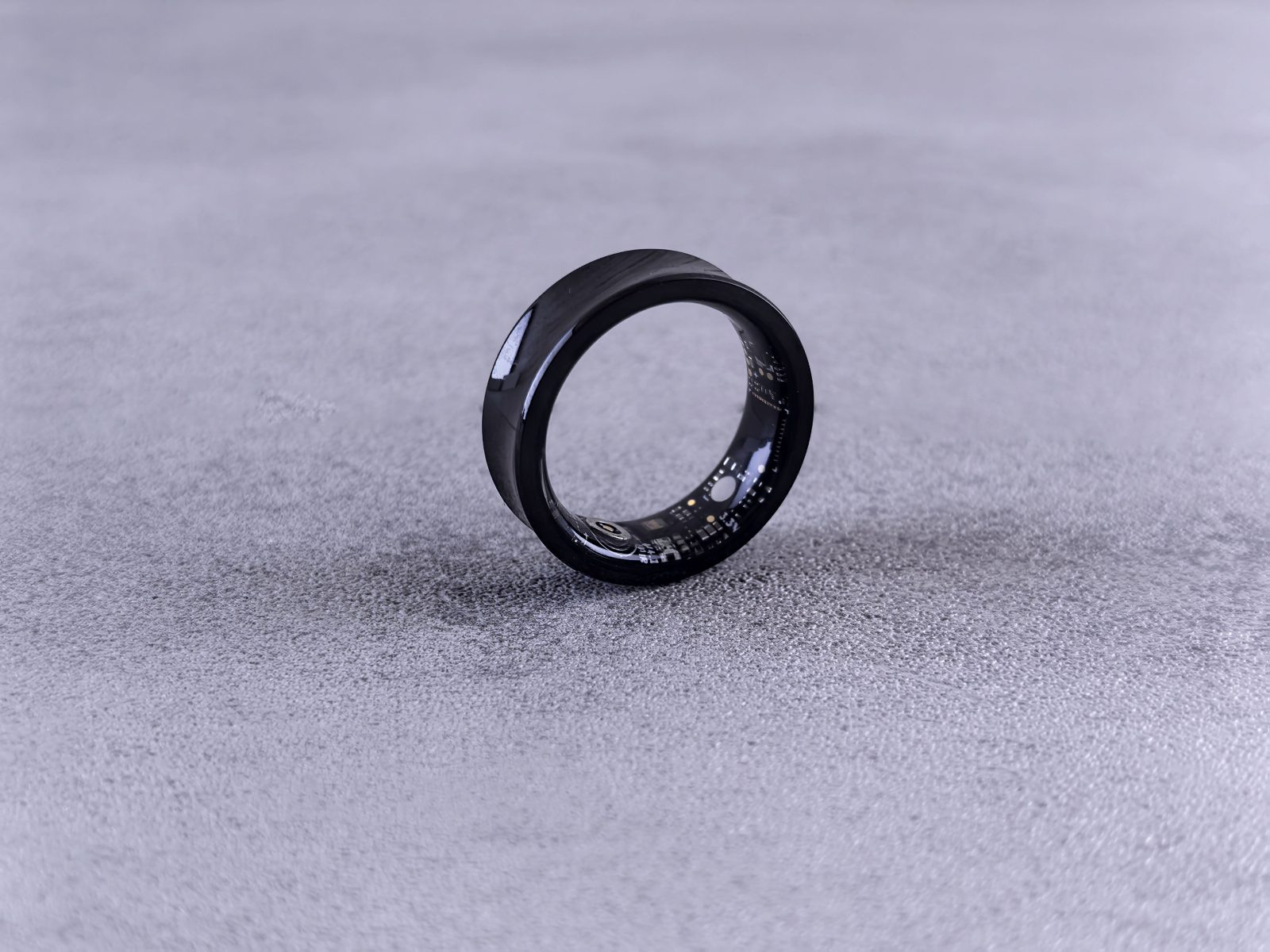
Sandbar's Stream ring offers an interesting example. The company is betting heavily on voice as an interface for AI, but it has deliberately avoided making the device continuously listen to everything happening around the wearer. Instead, interaction is intentionally initiated by the user.
That may sound like a small product decision. It is actually a much bigger one. Because the future of AI hardware may depend as much on social acceptance as technical intelligence.
The Smartphone Solved This Problem Years Ago
One reason smartphones became socially acceptable so quickly is that their behavior is relatively easy to understand.
When someone takes out a phone and points the camera toward you, you know they might be taking a photograph. When someone is typing, you can generally see that they are interacting with a device. When the phone is sitting on a table, most people assume it is not actively analyzing the conversation around them.
The interface provides visible signals. AI wearables make those signals less obvious.
A pair of glasses could contain cameras and microphones while looking increasingly similar to ordinary eyewear. A ring can contain microphones without anyone nearby knowing whether it is active. Earbuds can connect the wearer to an intelligent assistant while appearing no different from conventional headphones.
The more invisible computing becomes, the harder it becomes for everyone else to understand what the device is doing. That creates a new product-design problem: social legibility.
People need some way of understanding when technology is active, what it might be capturing and whether they are part of the interaction.
Always Available Is Not the Same as Always Listening
AI companies naturally want to reduce friction. The ideal assistant is often imagined as something that understands context continuously. It knows where you are, remembers what you discussed, recognizes what you are looking at and responds without requiring deliberate commands.
From a technical perspective, that is incredibly powerful. From a social perspective, it can become uncomfortable very quickly.
Imagine sitting across from someone wearing an AI device capable of continuously capturing conversation. Even if the manufacturer promises that everything is processed securely, the interaction changes.
Is the conversation being recorded? Is AI summarizing it? Will the wearer be able to retrieve something you said three weeks later? Is the device identifying people nearby? Is information being sent somewhere else?
The user may trust the device. Everyone around the user also has to understand and tolerate it. That distinction matters enormously.
AI hardware companies are effectively designing products for two groups: the person who buys the device and everyone who has to exist around it.
Sandbar's Push-to-Talk Decision Is More Important Than It Looks
Sandbar's Stream ring is being designed around a voice-first interaction model. But rather than treating continuous listening as the obvious destination, the company has emphasized intentional interaction.
The user activates the device when they want to capture a thought or communicate with the system.
This introduces friction.
Normally, technology companies spend enormous amounts of effort removing friction. Every additional tap, gesture or confirmation is treated as something that should eventually disappear.
But some friction serves a purpose.
A physical action can communicate intent. It can tell the wearer when the AI is active while making the behavior of the device more predictable.
That predictability can create trust.
The most successful AI hardware companies may therefore discover that the objective is not to make every interaction invisible. It is to make the technology invisible when appropriate and obvious when necessary.
Google Glass Was Also a Social Experiment
There is precedent for what happens when wearable technology advances faster than social norms.
Google Glass was technologically ambitious. It put a camera, display and computing interface directly onto someone's face years before today's AI assistants existed.
But part of the resistance to Glass had little to do with specifications.
People around the wearer did not always know whether they were being photographed or recorded. Wearing the product could itself become a social statement. The device was visible enough to attract attention but ambiguous enough to create discomfort.
Technology has advanced enormously since then.
The underlying human problem has not disappeared.
Meta's Ray-Ban smart glasses are a useful contrast. They look much closer to a familiar consumer object. The technology has been integrated into a form factor people already understand, while visible indicators help communicate when certain capabilities are being used.
That does not eliminate privacy debates around smart glasses, but it demonstrates something important: product acceptance depends partly on how successfully new technology fits into existing social behavior.
AI Hardware Cannot Be Designed Only for the Owner
Most product design focuses on the customer.
AI wearables complicate that assumption because many of their capabilities involve the environment around the customer.
A camera sees other people. A microphone hears other people. A memory system may remember conversations involving other people. An AI assistant may interpret information about people who never chose to use the product.
That means AI hardware has what could be described as a bystander experience.
Companies already obsess over user experience. AI hardware companies may eventually need to think just as carefully about what the product feels like to the people who are not using it.
Can they tell when recording is happening? Can they understand what the device does? Does its behavior feel predictable? Does the product make ordinary conversation feel monitored?
These questions may sound less exciting than model benchmarks or battery specifications, but they could determine whether people tolerate these devices in offices, restaurants, schools, meetings and homes.
The Best Interface May Include Intentional Friction
For years, digital product design has treated friction as the enemy.
One-click checkout. Face ID. Automatic login. Background synchronization. Predictive recommendations. Everything becomes faster by requiring less deliberate action.
AI may force designers to reconsider that philosophy.
When technology becomes capable of seeing, hearing, remembering and acting, some friction can become reassuring.
Pressing a button before recording something communicates intention. Showing a visible indicator communicates state. Requesting confirmation before an agent takes an important action creates control.
Making certain capabilities deliberately unavailable in particular contexts can establish boundaries.
The question is no longer simply, "How few interactions can we require?"
It becomes: "Where does an interaction help people understand what the AI is doing?"
That is a very different product-design philosophy.
Intelligence Alone Will Not Win AI Hardware
The AI hardware market is likely to become crowded.
Smart glasses will improve. Rings will become more capable. Earbuds will gain increasingly sophisticated assistants. New form factors will appear, and smartphones themselves will absorb many of the same AI capabilities.
Eventually, many devices may have access to comparable underlying intelligence.
At that point, differentiation moves elsewhere.
Battery life matters. Industrial design matters. Ecosystems matter. Brand trust matters. Distribution matters.
But social acceptance could become one of the most underestimated differentiators.
The winning AI wearable may not be the device capable of capturing the greatest amount of information.
It may be the device that understands when it should not.
Technology Has to Earn Its Place in Human Behavior
The history of consumer technology is filled with technically impressive products that never became normal parts of everyday life.
AI hardware faces an especially difficult version of that challenge because these products are trying to enter some of the most human environments imaginable: conversations, relationships, workplaces and physical spaces.
Building an intelligent device is only one part of the problem.
The harder task is designing something people are comfortable wearing, something others are comfortable being around and something whose behavior becomes understandable enough to fade naturally into everyday life.
That may ultimately separate successful AI hardware from interesting AI hardware.
The next computing platform will not win simply because people want to use it.
It will also need to become something other people are comfortable being around.