Uniqlo’s U.S. Expansion Shows Why Distribution Alone Doesn’t Build Demand
Uniqlo’s U.S. expansion shows that distribution and demand are two different growth problems. Stores can make a brand more available and visible, but they cannot guarantee that consumers understand why they should choose it. As Uniqlo expands its physical footprint, its next challenge is increasingly about building awareness, communicating the value behind LifeWear, and turning physical presence into customer preference. The broader lesson for brands is that GTM bottlenecks move as companies grow. Once distribution improves, positioning, awareness and customer understanding can become the next constraint.
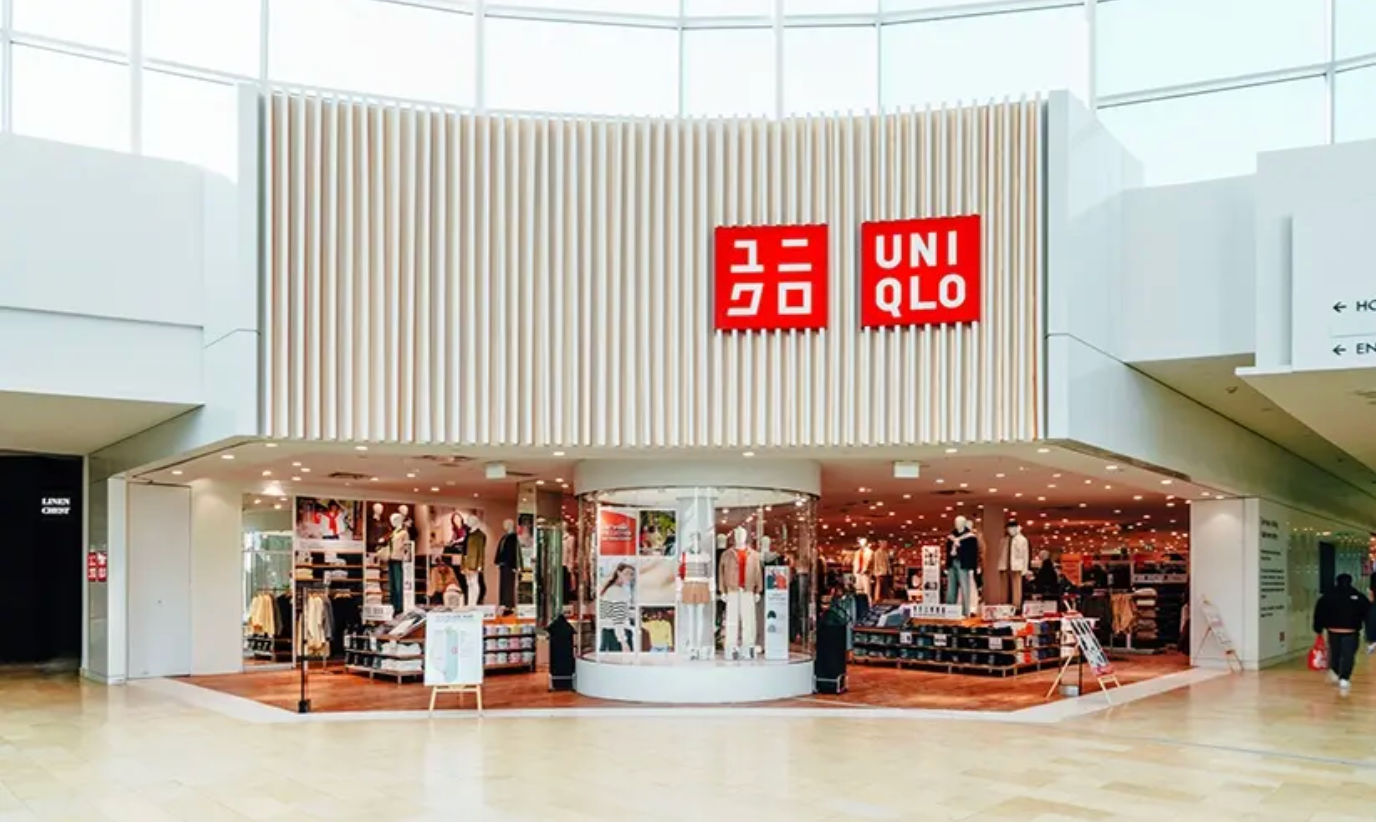
Uniqlo has spent years expanding its U.S. store network, but more stores alone will not deliver its next stage of growth. The challenge is increasingly about making consumers understand what makes Uniqlo different. Its expansion offers a useful lesson for brands: distribution creates availability, but positioning and awareness create demand.